average prices charged for various handyman jobs

If you’re short on time or don’t feel like tackling a small repair yourself, consider hiring a handyman. Handymen specialize in smaller jobs that aren’t worth calling a general contractor to fix. Unfortunately, the cost of hiring a handyman can vary widely. Here’s a breakdown of what you can expect to pay for a handyman’s services: On a national basis in the United States, most homeowners spend between $185 and $626 for a handyman's services. The high-end costs for handymen run as high as $1,122, while the low-end costs average $75. HomeAdvisor found that the average reported cost for a handyman was $390. If you dive into these numbers a little more, you'll learn that there are a number of variables that impact the cost of hiring a handyman. The scale of work is one of the biggest factors in the cost of hiring a handyman. The larger a job, the more time it will take to complete and the more it will cost. Each handyman uses his or her own pricing schedule, but you can break job sizes down by time to get an accurate estimate:
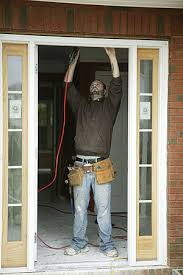
HomeAdvisor cost analysis found that the average small job will cost you between $77 and $154. Medium jobs will run anywhere between $154 and $308, with large jobs starting at $308 and up. Most handymen work on one of two pricing schemes. Which pricing scheme a handyman chooses depends on the complexity of the project. If you hire a handyman to install a new ceiling fan in your master bedroom, it’s likely that your handyman will charge per hour.
handyman orange park fl For larger projects, or those with unknown time frames;
business for sale dothan alabamasuch as cleaning up and repairing items damaged by water, a handyman is likely to use a flat rate for the project.
business for sale bozeman montana
The amount of unknowns involved could drag a project out over the course of an entire day, at which point an hourly rate would become exorbitant. The average hourly rate for a handyman was generally found to be between $60 and $65, but professional handymen with greater experience can charge upwards of $125 per hour. The U.S. national average is $77 per hour for a handyman. Lastly, the employment of your handyman is going to have an impact on the cost of hiring that individual.
handyman services south ridingIf you hire someone who works independently as a handyman, you're going to have to do some of the legwork on your own to check his or her background and qualifications.
handyman in palm springs californiaBut you're more likely to be able to strike a bargain with them on pricing.
business for sale elgin moray
At the very least, they'll be flexible with their prices. Licensed handymen that work for a company come with insurance coverage and standard industry guarantees. But the handyman as an individual has no ability to adjust prices for you, which can sometimes result in paying more for certain jobs. The true cost of a handyman involves several factors. The more familiar you are with those factors, the better you'll be situated to make a smart hiring decision.Calculate your markups carefully to earn a profit. Comstock Images/Comstock/Getty Images HVAC companies that service residential and commercial heating and air systems have an important job -- no one likes to be hot in the summer and cold in the winter. Even though people need your services, they don't want to pay an exorbitant amount to get their HVAC systems repaired or replaced. At the same time, you need to make enough money to pay your staff and your bills. Break-Even Point Before you decide on how much to mark up your materials, know how much you need to make on the job to break even.

Add up all your bills and divide that by the number of jobs your staff typically complete in a month. Calculate the number of hours the job should take, how much your staff person makes per hour -- including costs such as health insurance and workers' compensation -- how much your charge per hour and the cost of the materials. If you need $50 per hour to cover all your staff costs and you charge $100 per hour for labor, that's $50 toward your break-even point. If you need a profit of $100 per job to keep yourself in business, mark up the materials accordingly so they make up the other $50. Markup vs. Margin Markup and your profit margin are calculated differently. The amount you mark up your materials doesn't equal your profit margin percentage. Understand the difference so you can more accurately set your markups to make the profit you're expecting. For a part that you paid $100, marking it up to $150 gives you a 50 percent markup: multiply 100 by 0.50 to get a $50 markup. To get your margin, divide the markup -- in this case $50 -- by your cost, $100.

You get 0.33, or 33 percent. In this example, a 50-percent markup equals a 33 percent profit margin. Parts Markup A standard markup in a non-retail business is 100 percent, meaning you charge the customer twice what you spent on the part or material. This requires accurate bookkeeping and estimating skills because prices change constantly. Know what you spent on each part before you can mark it up correctly. Your overall cost for the job also includes a labor markup, charging more per hour for your technician's time than you pay him. These two markups can work together to make your business profitable. When you mark up your materials by 100 percent, you typically mark up your labor less, such as 25 percent. Overall Markup Instead of setting a percentage to mark up your materials, provide overall job estimates. Decide how much you need to make on each job and provide an estimate that increases the total by a percentage instead of breaking labor and materials into different pieces that need to be marked up.

For example, if your actual labor cost, including insurance and commissions, is $400 and your materials are $300, your total cost to do the job is $700. Mark that up so you get a net profit of 30 percent by dividing $700 by 0.70, and you get an increase of $300, for a total customer cost of $1,000. Set your overall markup percentage based on your break-even point to ensure that the job makes enough to pay your bills and, hopefully, makes a profit for the company. References Contracting Business: Get Scientific With Your Ability to Price for ProfitMr. Contact Us : : 866-2MrHVAC (866-267-4822) Home Site Info Latest Articles How We Can Help Products Free HVAC Stuff Privacy Policy Category: Calculating Gross Profit MarginService Snitch: Heating, Air Conditioning, & Refrigeration Repair (HVAC/R): Don’t Get Blown AwayHousing Zone: Remodelers Exchange: Protecting Your Margin and Mark-UpHome Tech Publishing: Handyman: Economics of the Handyman Business Photo Credits Comstock Images/Comstock/Getty Images Suggest an Article Correction